
.svg)

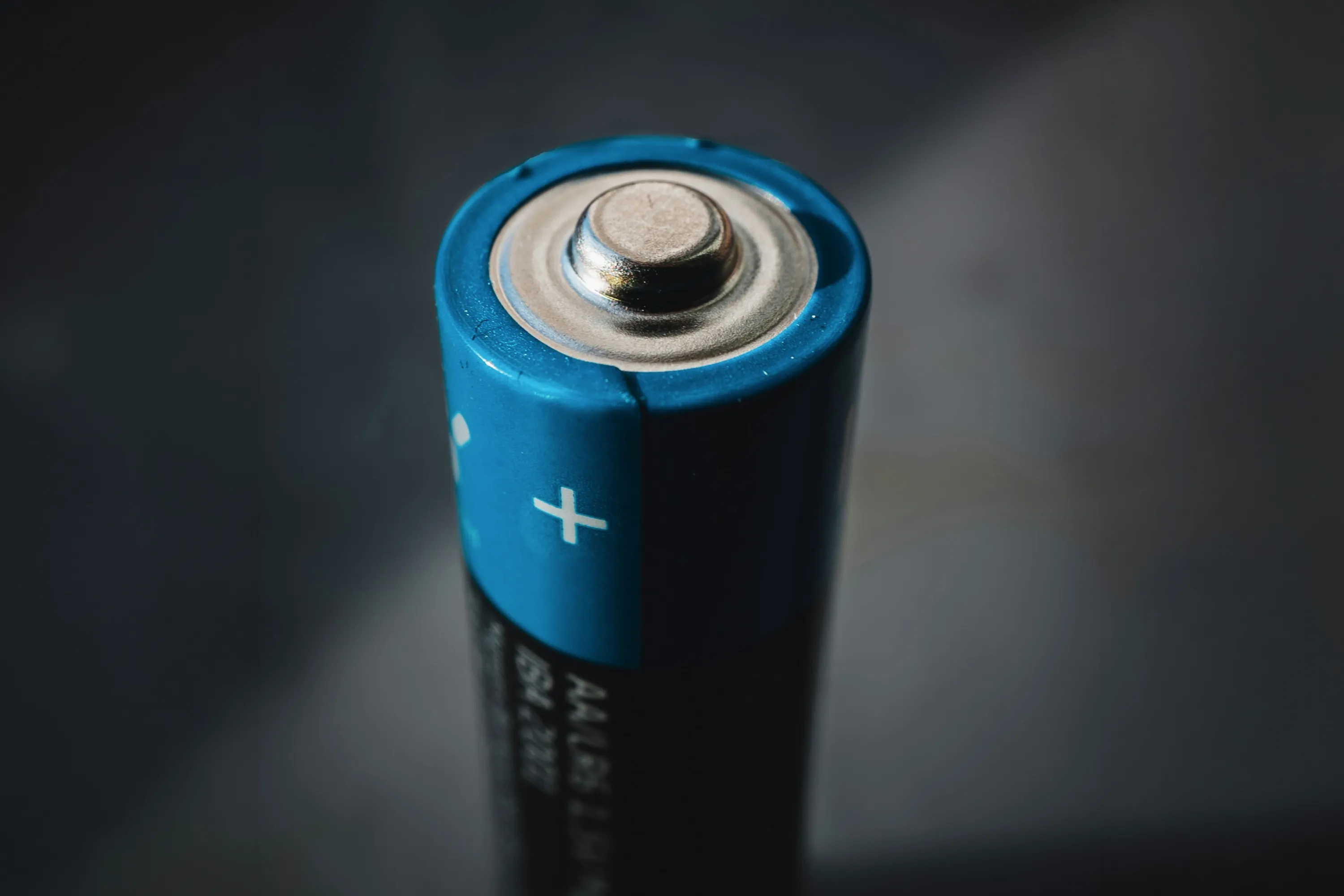

Battery failures rarely happen in isolation.
They’re usually the result of gaps in testing, missed edge cases, or incomplete validation. That’s why lithium-ion battery testing is critical for proving safety, performance, and compliance before products reach the market.
From electrical characterization and thermal stress to abuse testing and transport requirements, testing shows how cells and packs behave under real-world conditions.
Standards such as United Nations Manual of Tests and Criteria, Section 38.3 (UN 38.3), Underwriters Laboratories (UL), and International Electrotechnical Commission (IEC) define what must be proven for approval.
This guide breaks down the core tests, key metrics, and compliance pathways teams use to validate batteries and move from development to certification with confidence.
Key Points
- Treat battery testing as an iterative loop: run electrical, mechanical, environmental, and abuse tests, refine the design, then repeat to surface flaws early.
- Prove safety and market readiness by meeting key standards such as UN 38.3 for shipping and UL 1642/2054 and IEC 62660-2 for product safety, and keep an up-to-date UN 38.3 test summary for every shipment.
- Focus on core metrics such as capacity (≥80%), direct current internal resistance (DCIR), electrochemical impedance spectroscopy (EIS), and leakage, along with battery management system (BMS) cutoff checks. Combine these with vibration, shock, and crush tests to verify both performance and protection.
- Establish disciplined test practices by controlling temperature and state of charge (SoC), using calibrated fixtures, defining clear pass-fail criteria, and testing the battery and charger together to avoid retests and recalls.
- Leverage accredited labs and third-party advisors to map standards, schedule tests, and compile documentation, accelerating approvals while building credible, independent evidence.
Why Lithium-Ion Battery Testing Matters
It is far better to identify a failure point in the lab than to have it discovered by a customer.
That’s why lithium-ion battery testing is essential for proving safety, reliability, and compliance before issues reach the market.
Trust comes from repeatable evidence, not claims.
Tests such as vibration and shock validate durability and can achieve high reliability when executed correctly. This data reduces risk, builds reviewer confidence, and keeps programs on schedule.
Testing works best as a structured progression.
Teams begin with performance checks, expand to safety and abuse simulations, and then confirm transport readiness.
Nearly all lithium-ion batteries must pass UN 38.3 for shipping, with air transport also referencing International Air Transport Association (IATA) packing instructions such as Packing Instruction (PI) 966 Section II.
In-house testing builds early insight, but independent validation often determines approval.
Third-party advisors help map standards, coordinate labs, and manage documentation so teams avoid delays, reduce rework, and move efficiently toward certification.
Core Safety and Performance Tests in Lithium-Ion Battery Testing
Lithium-ion battery testing begins with core safety and performance tests that define what must be validated across electrical behavior, protection systems, and mechanical integrity.
These tests establish whether a battery meets baseline safety and performance expectations before deeper analysis.
- Constant-current, constant-voltage (CC-CV) charge–discharge cycling: Verify charge acceptance and discharge delivery under constant-current, constant-voltage control. Capacity is a leading health indicator, with failure typically flagged when it falls below 80%, guiding acceptance across cells, modules, and packs.
- Capacity at different C-rates: Confirm usable energy and power at multiple rates. C-rate reflects performance under light loads and high-demand bursts.
- DCIR: Measure ohmic loss during short pulses. DCIR trends inform power limits, efficiency, and heat generation.
- Leakage and self-discharge: Track current draw when idle and how stored charge fades during lithium-ion battery storage, helping identify parasitic loads and imbalance risks.
- BMS functional cutoffs: Validate protections for overcharge, over-discharge, overcurrent, and temperature. Final testing should treat the battery and charger as a single system.
- Mechanical screens (vibration, shock, drop/impact): Detect loose welds, cracked tabs, and enclosure faults that can lead to internal shorts or failure under stress.
Electrical isolation is part of safety validation.
Testing whether the battery enclosure and connections can handle a 500 V difference without leakage helps identify latent short risks.
Common lithium-ion battery standards from UL and the IEC reference these fundamentals.
UL 1642, UL 2054, and IEC 62660-2 build on these core procedures, with variations based on chemistry and format, while maintaining a consistent testing backbone from cells to full battery systems.
Electrical Characterization Protocols in Lithium-Ion Battery Testing
Lithium-ion battery testing uses electrical characterization protocols to measure performance, internal behavior, and degradation using controlled methods and instrumentation.
These protocols generate the data used to evaluate capacity, resistance, and long-term battery health. The U.S. Department of Energy frames this as performance and life testing alongside abuse checks.
Core Electrical Measurement Techniques
Electrical characterization focuses on core measurement methods used to quantify performance, health, and degradation:
- EIS: Maps impedance across frequency to separate ohmic, charge-transfer, and diffusion effects
- DCIR: Measures voltage drop during pulses to assess power limits and heat generation
- Open-Circuit Voltage (OCV)–SoC profiling: Links OCV to SoC for fuel gauging and drift detection
- Rate-capability measurement: Compares performance at different C-rates to evaluate usable energy under varying loads
These methods support the core tests by providing precise, repeatable measurements used to interpret battery performance and health.
These measurement methods are applied in cycle life and calendar life programs to track degradation over time. These programs define rest times, reference checks, and environmental setpoints to separate reversible effects from permanent degradation.
Capacity remains a key health metric, with failure often flagged when it drops below 80%.
Practical Checks and System-Level Validation
A multimeter for battery testing provides quick validation before longer test cycles begin. Simple DC voltage readings can confirm OCV, verify pack output, and detect wiring issues early.
- Validate BMS cutoffs and protections at the pack level, including interactions with the charger
- Control sampling, fixture resistance, temperature, and SoC to ensure accurate data
- Treat the battery and charger as a complete system during final validation
Cell versus pack testing introduces BMS interactions that can affect measurements. Managing these variables ensures results reflect real-world performance rather than setup artifacts.
Environmental and Abuse Tests for Lithium-Ion Batteries
Lithium-ion battery testing proves safety by showing stable behavior when conditions change or when failures are intentionally triggered.
Environmental stresses and abuse simulations complement electrical characterization by exposing latent failure modes early.
Environmental Stress Testing
Environmental tests simulate real-world conditions that affect long-term performance and safety.
- Temperature cycling and thermal shock: Identify seal integrity issues and internal stress
- Humidity exposure: Reveal moisture sensitivity and corrosion risks
- Low pressure (altitude): Simulate transport conditions and detect leakage or swelling
These profiles help uncover gas generation, seal failures, and performance shifts that may not appear under normal conditions.
Abuse Testing and Failure Simulation
Abuse tests intentionally push batteries beyond normal limits to validate protection systems and containment.
- External short and overcharge: Test thermal response and protection circuitry
- Crush, penetration, and impact: Evaluate structural integrity and separator stability
- Forced discharge: Expose internal weaknesses under reverse current conditions
Sensors help track what cannot be seen during these tests.
Load cells detect abnormal mechanical stress that may signal failure, while temperature and pressure sensors guide safe shutdown decisions.
These methods also align with transport validation. Profiles such as altitude, thermal cycling, vibration, and shock are reflected in UN 38.3 testing.
Running combined stresses during development reveals interactions that single-factor tests may miss, improving safety margins and informing design limits.
Transportation Compliance Tests for Lithium-Ion Batteries
Lithium-ion battery testing includes transportation compliance tests to ensure batteries can be shipped safely under global regulations.
Nearly all lithium batteries must pass UN 38.3 and maintain a test summary for carriers and regulators.
UN 38.3 Test Sequence
UN 38.3 defines eight tests, typically run in sequence, to simulate transport conditions:
- T1 Altitude: Low-pressure conditions during air transport
- T2 Thermal: Temperature cycling to stress seals and materials
- T3 Vibration: Repeated motion to detect loose components
- T4 Shock: Mechanical impacts during handling
- T5 External short: High-current fault conditions
- T6 Impact or crush: Structural stress on cells
- T7 Overcharge: Electrical abuse beyond rated limits
- T8 Forced discharge: Reverse current stress
These tests validate that batteries can withstand environmental, mechanical, and electrical stress without leakage, rupture, or fire.
Air Transport Requirements and Coordination
Air transport also references IATA PI 966 Section II for certain equipment shipments. These rules cover SoC, labeling, and documentation and depend on having a valid UN 38.3 test summary.
Coordinating testing and documentation early helps avoid delays.
Independent third-party advisors can align design maturity with test timing, select appropriate labs, and compile compliant documentation.
Traditional labs execute test procedures, while advisors help manage sequencing, exceptions, and retests so product, packaging, and paperwork align on the first submission.
Interpreting Results and Specs for Lithium-Ion Batteries
Interpreting lithium-ion battery testing results means turning data into decisions.
Nominal capacity, usable capacity, and C-rate limits define what a product can deliver under real loads and temperatures. Internal resistance and EIS features help explain voltage sag, heat generation, and aging behavior across duty cycles.
Key Metrics and Acceptance Criteria
Clear acceptance criteria are essential for pass or fail decisions.
- Capacity: Often the lead health metric, with failure commonly flagged below 80%
- DCIR and EIS: Indicate power limits, efficiency, and internal degradation
- Leakage and self-discharge: Define standby behavior and identify parasitic losses
- Environmental derating: Connect lab results to real-world operating conditions
These metrics provide a consistent framework for evaluating performance, safety, and readiness.
System-Level Interpretation and Common Pitfalls
System-level behavior matters. Final validation should treat the battery and charger as one system, as interactions affect cutoffs, recovery, and charge-rest behavior.
Common pitfalls include:
- Small or biased sample sizes
- Uncalibrated fixtures or inconsistent setups
- Uncontrolled SoC or temperature during testing
Clear specifications, stable test conditions, and well-documented datasets reduce retests and support faster approvals.
Selecting Equipment and Labs for Lithium-Ion Battery Testing
Selecting the right equipment and labs for lithium-ion battery testing starts by matching testing goals to the appropriate tools and controls. Each instrument supports a specific type of measurement or validation.
Core Equipment for Battery Testing
Cyclers handle CC-CV charge and discharge to evaluate performance and cycle life.
EIS analyzers map impedance across frequencies to diagnose internal behavior.
Environmental and vibration chambers apply thermal and mechanical stresses, while data loggers capture temperature, voltage, and test conditions in real time.
Fire suppression and ventilation systems manage safety risks during testing, and a multimeter supports quick voltage checks and early validation.
Lab Setup, Safety, and Partner Selection
Setting up a safe and reliable testing environment is just as important as choosing the right instruments.
- Mechanical sensing: Load cells capture forces during crush, penetration, and fixture loading to detect early signs of failure
- Calibration and safety: Regular calibration, proper fusing, and insulated fixtures prevent measurement drift and unsafe conditions
- In-house vs. external: In-house benches accelerate early learning, while accredited labs provide recognized reports for certification
Independent third-party advisors can help scope tests, map standards, and coordinate lab work.
This ensures testing, documentation, and compliance requirements align, reducing delays and avoiding rework during certification.
Lithium Ion Battery Testing: Key Takeaways for Safety, Performance, and Certification
Lithium ion battery testing works best as a continuous feedback loop that connects electrical characterization, mechanical screening, environmental stress, and transportation compliance.
When these elements are aligned, teams build reliable evidence that supports safety, improves performance, and accelerates certification under standards like UN 38.3, UL, and IEC.
Strong results come from disciplined execution.
Clear acceptance criteria, controlled temperature and SoC, calibrated equipment, and representative samples help prevent common testing errors and reduce costly retests.
System-level validation, including the interaction between the battery and charger, ensures real-world reliability beyond isolated lab results.
Teams that approach lithium ion battery testing strategically move faster and with more confidence.
Conclusion
Lithium-ion battery testing is the foundation of safe, reliable, and certifiable battery products. From electrical characterization and environmental stress testing to abuse simulations and transportation compliance, each stage helps teams identify weaknesses before products reach customers or regulators.
Strong testing programs do more than validate performance. They create the evidence needed to meet standards such as UN 38.3, UL, and IEC requirements, support safer product design, and reduce costly delays during certification and market entry.
The most effective teams treat testing as an ongoing engineering process rather than a final checkpoint. By combining disciplined lab practices, representative samples, clear pass-fail criteria, and system-level validation, manufacturers can improve battery reliability, streamline approvals, and build confidence across the entire product lifecycle.