
.svg)

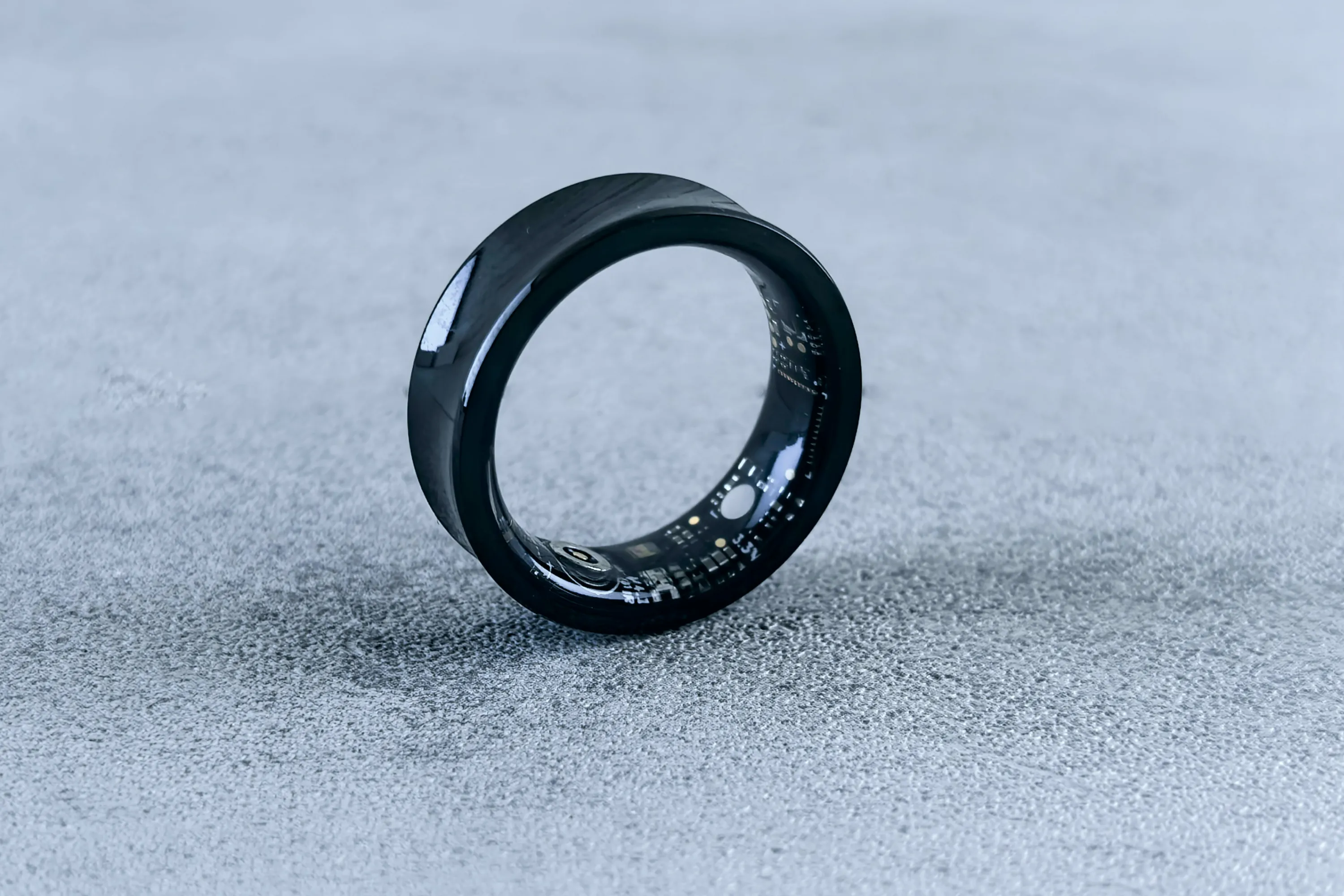

Wearable technology compliance starts before a prototype leaves the bench.
It involves demonstrating device safety, radio and electromagnetic compatibility (EMC), materials safety, and data integrity against U.S. regulations and global standards.
When done properly, compliance builds trust and supports reliable deployment rather than slowing development.
This guide maps the U.S. regulatory landscape and explains how to integrate safety standards for wearables into design, deployment, and ongoing monitoring.
It outlines where workplace, product safety, radio, and medical rules apply, how privacy and cybersecurity requirements shift by context, and why independent advisors often move faster than one-off lab testing.
Healthcare and wearable technology in sport add additional context, but the focus remains on industrial and professional use.
Key Points
- Wearable technology compliance should begin at the design stage, aligning intended use, claims, and technical requirements early in development.
- U.S. compliance involves multiple regulatory bodies, including the Federal Communications Commission (FCC), Consumer Product Safety Commission (CPSC), Occupational Safety and Health Administration (OSHA), and Food and Drug Administration (FDA), depending on device function and deployment context.
- Safety and performance requirements span electrical safety, EMC, RF exposure, battery systems, and material considerations for real-world use.
- Data privacy and cybersecurity requirements vary by context, with additional obligations in workplace and healthcare environments.
- Market access and certification are most effective when managed as a coordinated program, supported by clear test plans, documentation, and ongoing change control.
Wearable Technology Compliance Landscape
Wearable technology compliance in the United States is shaped by a layered regulatory stack.
Different agencies oversee device safety, radio performance, workplace use, and intended function depending on how the wearable is designed and deployed.
Key authorities include:
- FCC
- Requires equipment authorization for radios such as Bluetooth, Wi-Fi, and cellular
- All wearable technologies must undergo EMC and radio testing or certification, often paired with interoperability checks
- CPSC
- Governs general product safety, including mechanical integrity and materials
- Devices with coin cells must address ingestion risks through secure enclosures and labeling
- OSHA
- Influences workplace acceptance of devices
- Employers often require Nationally Recognized Testing Laboratory (NRTL) listings for electrical and equipment safety
- FDA
- Applies when devices are intended to diagnose, treat, or prevent disease
- Oversight scales based on device risk and intended use
Employment law also plays a role:
- Americans with Disabilities Act (ADA) and Equal Employment Opportunity Commission (EEOC) guidance
- Limit medical inquiries in the workplace
- Biometric tracking that resembles health screening can trigger compliance requirements
For cellular devices, voluntary approvals such as the PCS Type Certification Review Board (PTCRB) program and the Global Certification Forum (GCF) improve carrier acceptance.
Global market access may extend to Conformité Européenne (CE) and UK Conformity Assessed (UKCA) marks, but this guide focuses on U.S. obligations. Healthcare and sports settings add context-specific expectations, while the core pillars of radio, safety, and privacy remain consistent.
Safety and Performance
Safety standards for wearables pull from established electrical, medical, and radio rules. The specific path depends on intended use, radios on board, and where the device is used.
- Core electrical safety. Non-medical information technology/audio-video (IT/AV) devices commonly use International Electrotechnical Commission/Underwriters Laboratories 62368-1 (IEC/UL 62368-1). Medical devices typically follow International Electrotechnical Commission 60601-1 (IEC 60601-1) for basic safety, with EMC under International Electrotechnical Commission 60601-1-2 (IEC 60601-1-2) and usability under International Electrotechnical Commission 60601-1-6 (IEC 60601-1-6). These families define shock, thermal, and fault tolerance.
- Radio and radio frequency (RF) exposure. Radios require EMC checks and, where applicable, Specific Absorption Rate (SAR) testing for human exposure. Industry sources note that EMC and RF evaluation are baseline requirements for wearable authorization.
- Battery and charging safety. Rechargeable cells, packs, and chargers are assessed for protection circuits, abnormal charging, and short-circuit behavior. Robust enclosure design and venting help reduce thermal and fire risks.
- Mechanical design and apparel. Textiles and wearable components face flammability, abrasion, and sweat exposure. Fasteners and seams should hold under motion and repeated cleaning, and lab ratings should reflect real-world use.
- Biocompatibility and skin contact. Skin-contact materials are checked for irritation and sensitization risk, especially under sweat, pressure, and heat. Labels must match actual exposure time and placement on the body.
- Interoperability and logos. Many programs require or recommend wireless qualifications for Bluetooth or Wi-Fi, along with cellular approvals such as PTCRB and GCF. These reduce field failures and improve compatibility.
- Workplace acceptance. NRTL listings are often requested for industrial safety wearables, including augmented reality/virtual reality (AR/VR) eyewear used around machinery. Energy efficiency testing may also apply depending on region or program.
In sports or industrial sites, sweat, dust, vibration, and impacts can stress devices beyond lab conditions. Wearable device performance testing should reflect these realities so results hold up in real-world environments.
Data Privacy and Cybersecurity
Data privacy in wearables depends on context.
For consumers, app terms and state privacy laws lead. For patients, Health Insurance Portability and Accountability Act (HIPAA) can apply when patient-generated data flows into a provider’s electronic health record (EHR) system.
HIPAA generally triggers once data moves into an EHR system used by a covered entity, as explained by MicroMD.
In workplace settings, requirements shift:
- Consumer use: Governed by app policies and state privacy laws
- Healthcare use: HIPAA applies when data enters clinical systems
- Workplace use: Subject to ADA and EEOC limits on medical inquiries
At work, employers face ADA and EEOC guidance. Programs should avoid medical inquiries, define narrow business purposes, and minimize data collection.
Clear policies and regular audits reduce legal risk under anti-discrimination principles.
For cross-border teams, General Data Protection Regulation (GDPR) treats continuous fitness and health signals as sensitive. That requires explicit consent, strong security, and user rights. In higher-risk cases, teams complete data protection impact assessments (DPIAs).
Cybersecurity expectations increase with device impact and connectivity:
- Risk-based security: Controls scale with how much a device influences decisions
- Data integrity: Ensure accuracy and protection against tampering
- Secure updates: Use authenticated firmware and software updates
- Encryption: Protect data in transit and at rest
- Vulnerability management: Maintain processes for identifying and addressing risks
Cybersecurity for medical devices follows a risk-based approach, with oversight scaling based on how much a device influences care decisions.
Industry guidance emphasizes data integrity, authenticated updates, and lifecycle management aligned with risk-based frameworks.
For industrial Internet of Things (IoT) deployments, encryption, over-the-air (OTA) updates, and resilience testing are essential. Threat models should account for lost devices, compromised radios, and hostile network environments often found in field operations.
Medical vs. Consumer Rules
The difference between a medical and a wellness device comes down to intended use and claims.
- If labeling or app copy states diagnose, treat, cure, mitigate, or prevent disease, it points to medical device rules.
- If claims stay within general wellness or lifestyle, consumer safety and radio regulations usually apply.
For healthcare wearable devices, classification determines the regulatory pathway.
In the U.S., medical devices generally require clearance or approval before sale, with documentation and oversight scaling based on risk. This requirement is noted in market access guidance from Underwriters Laboratories (UL).
For patient monitoring systems, data exchange with EHRs also introduces additional privacy and security requirements, as described by MicroMD.
Non-medical wearables must still meet electrical safety, EMC, RF, and SAR requirements. Many also undergo cellular approvals to ensure compatibility with carrier networks.
A quick checklist helps avoid accidental reclassification:
- Intended use. Align product descriptions, features, and visuals with either wellness or medical positioning.
- Claims. Ensure all marketing claims are supported by test data and do not imply clinical outcomes.
- Risk files. Maintain a documented risk analysis consistent with intended use.
- Labels and instructions. Match warnings and usage conditions to real environments.
- Data flows. Map integrations with providers or EHRs that could trigger HIPAA requirements.
Market Access and Certification
Market access and certification for wearables follows a predictable path when scoped early. Pre-compliance scans help identify high-risk issues before formal testing, and a clear test plan ties each marketing claim to supporting data.
- Radio authorization. Decide between FCC Supplier’s Declaration of Conformity or Certification for each radio. This choice affects test scope and filing requirements.
- RF and SAR. Plan EMC, radio, and SAR testing for on-body use. Industry guidance treats EMC and RF certification as baseline requirements for wearable devices.
- Cellular approval. Use wireless certification programs such as PTCRB and GCF to support carrier acceptance.
- Global leverage. Consider the IEC System of Conformity Assessment Schemes for Electrotechnical Equipment and Components Certification Body Scheme (IECEE CB Scheme) to streamline international safety certifications across markets.
- Workplace acceptance. Seek NRTL listings commonly required for industrial deployments within the OSHA ecosystem.
- Product safety. Address hazards such as button battery ingestion through secure design and clear warnings under the CPSC.
- Energy efficiency. Some markets require energy efficiency testing or program certifications depending on region.
Program management ties it together:
- Scope to claims. Ensure all testing aligns directly with product claims.
- Schedule wisely. Coordinate lab testing, cellular approvals, and potential re-test cycles.
- Control changes. Document hardware, firmware, and radio updates to maintain ongoing compliance.
- Use independent advisors. Third-party programs can coordinate multi-region filings and manage documentation more efficiently than one-off lab engagements.
When managed as a coordinated program, market access and certification become repeatable processes that support faster deployment, smoother approvals, and consistent compliance across product lifecycles.
The Future of Wearable Technology Compliance
Advancements in wearable tech bring smarter sensors and on-device AI.
Oversight will keep moving toward lifecycle control of algorithms and change management for models that learn over time.
Cybersecurity expectations are tightening. Teams should expect stronger norms for authenticated updates, vulnerability disclosure, and proof of resilience under hostile networks.
Safety and EMC standards will refresh to cover new form factors, including AR/VR eyewear and smart textiles used on factory floors. NRTL scopes continue to expand alongside these devices.
Market signals point to sustained growth.
In 2019, an estimated 56.7 million adults used a wearable at least once a month, as reported by MicroMD.
Advisory-led programs help teams treat compliance as a product capability that adapts with each release, not a one-time hurdle.
Wearable technology compliance is a build-in, not bolt-on, capability. Tie claims to recognize standards, design for testable safety and performance, and treat privacy and cybersecurity as product features. Use the U.S. regulatory map across the FCC, CPSC, OSHA, and FDA to set scope.
Then orchestrate market access with the right wireless, SAR, EMC, materials, and cellular evaluations. Independent advisors and platforms keep documentation, change control, and multi-market filings in one program that supports continuous improvement and trust at scale.