
.svg)

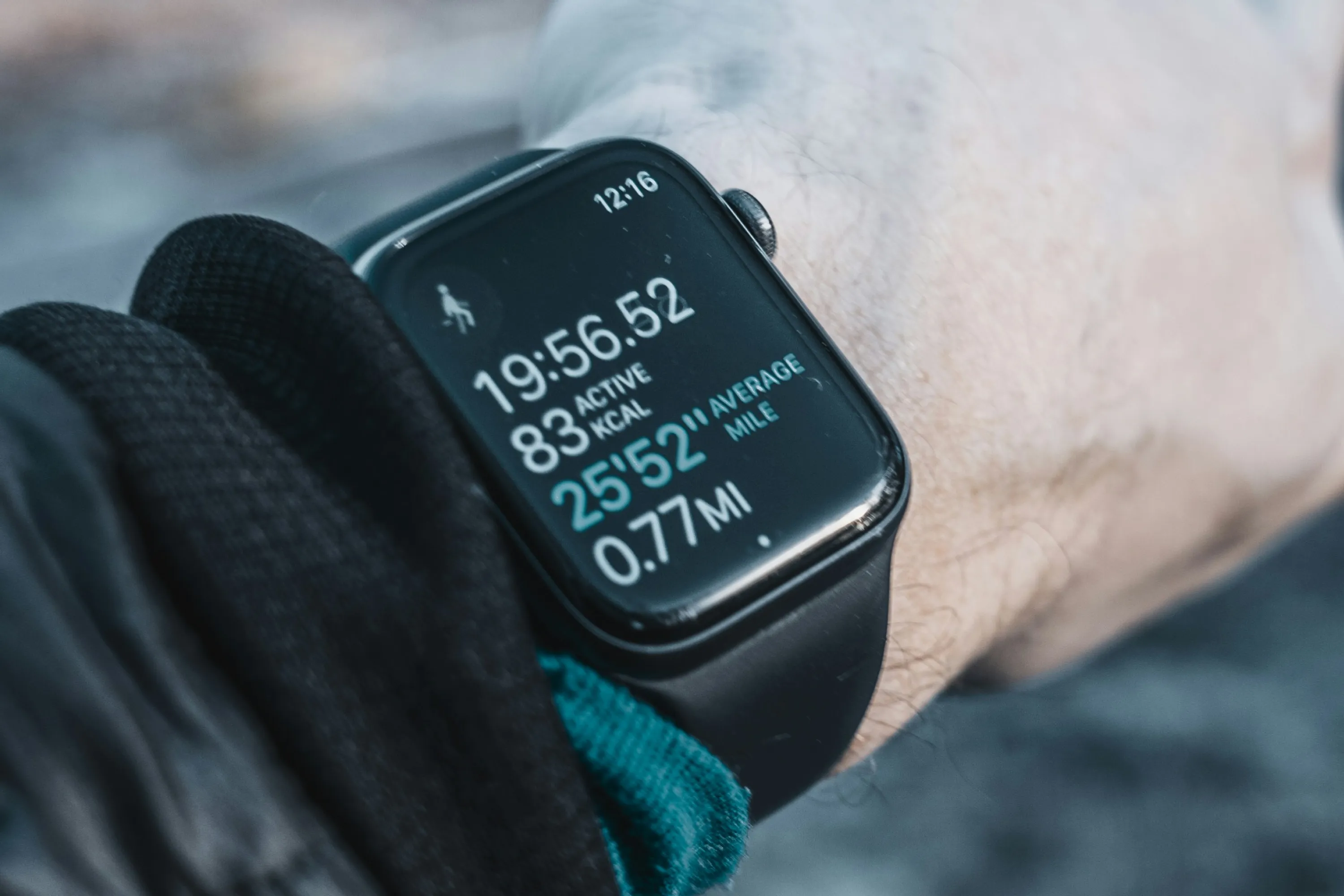

Wearable technology is reshaping how teams train, monitor, and protect athletes.
Instead of relying on observation alone, coaches and performance staff can now use real-time data to guide decisions on workload, recovery, and readiness.
That shift matters in competitive environments where small margins make a difference. Better visibility into athlete performance helps reduce injury risk, improve consistency, and support faster, safer return-to-play.
As data becomes more central to training and game preparation, wearable technology is becoming a standard part of modern sports programs.
In this article, we explain how wearable technology is used in sport, what metrics matter most, and how teams integrate these systems into daily workflows.
It focuses on practical decision-making, performance outcomes, and the role of compliance in ensuring data can be used with confidence.
Key Points
- Sports wearables collect real-time data on movement, load, and physiology, helping teams move from observation to data-informed training decisions.
- Core devices such as GPS trackers, heart rate monitors, and inertial sensors support workload monitoring, performance analysis, and injury prevention.
- Key metrics—including distance, sprint exposure, accelerations, and heart rate variability (HRV)—help teams manage intensity, recovery, and readiness.
- Integrated systems like athlete management systems (AMS) turn data into actionable insights, enabling coaches, trainers, and medical staff to coordinate decisions.
- Effective programs rely on simple key performance indicators (KPIs), validated devices, and clear workflows that translate data into consistent training adjustments and safer return-to-play decisions.
Understanding Wearable Technology in Sport
Wearable technology in sport refers to body-worn devices that collect real-time data on movement, load, and physiology.
Common sensors include GPS, heart rate monitors, accelerometers, gyroscopes, and other physiologic tools that measure performance and recovery.
These sensors capture raw signals such as position, speed, and heart activity.
Software then converts them into usable metrics like sprint count, jump height, and heart rate zones. AMS brings these data streams into a single dashboard, allowing coaches and performance staff to track patterns across sessions and seasons.
In practice, teams use wearables to support data-informed decisions.
Soccer staffs track pressing runs, basketball programs monitor jump volume, and football teams measure collisions. The goal is to improve training precision, reduce overload, and support safer return-to-play decisions.
Benefits show up in three areas:
- Training plans are adjusted based on position-specific demands and daily readiness
- Injury risks are flagged earlier through workload and fatigue signals
- Recovery is guided by objective data rather than subjective feel
Compliance shapes adoption behind the scenes. Teams rely on devices that are safe, accurate, and approved for use in training or competition.
Privacy standards also matter when handling athlete data. Independent, third-party wearable technology compliance guidance supports both manufacturers and teams by validating devices and ensuring data can be used with confidence.
Key Types of Sports Wearables
Teams deploy a focused set of wearable devices, each tied to specific performance and safety outcomes.
These categories support training design, workload monitoring, and return-to-play decisions, with most data flowing into AMS.
- GPS trackers: Measure distance, speed, sprint efforts, and positioning. Widely used in soccer and American football to match training loads to game demands and monitor high-speed running.
- Heart rate monitors: Capture heart rate and HRV to reflect internal load and recovery. Heart rate zones show training intensity, while HRV trends help identify fatigue.
- Inertial measurement units (IMUs): Combine accelerometers and gyroscopes to track accelerations, decelerations, changes of direction, and jumps. Common in basketball, rugby, and football for movement profiling.
- Motion and impact sensors: Log collisions and contact frequency in sports with tackling or high-impact play. Used to support concussion protocols and manage cumulative load.
- Advanced physiologic sensors: Track blood oxygen saturation (SpO2), muscle oxygen levels, and other wearable biosensors to assess how athletes respond to training stress and recovery demands.
- Smart clothing and e-textiles: Embed sensors into apparel to capture breathing patterns, muscle activity, stride, and ground contact time, improving comfort while maintaining continuous data collection.
Most teams deploy these tools first in training environments, where data can be validated and workflows refined before expanding into competition settings, depending on league approval.
Performance Metrics That Matter
Raw sensor data only becomes useful when translated into metrics that reflect workload, intensity, and recovery. Teams rely on a core set of indicators to guide training decisions and manage athlete readiness.
External load metrics capture what the athlete does:
- Distance covered: Total workload across sessions, often broken down by speed zones
- Sprint count and high-speed running: Measures explosive efforts and match intensity
- Acceleration and deceleration: Tracks rapid changes in movement, which place high stress on muscles and joints
- Jump count and height: Common in basketball and volleyball to monitor neuromuscular load
Internal load metrics reflect how the body responds:
- Heart rate zones: Show training intensity relative to maximum capacity
- HRV: Indicates recovery status and readiness
- Training impulse (TRIMP): Combines duration and intensity into a single workload score
Recovery and readiness indicators help guide day-to-day adjustments:
- Sleep duration and quality: Affect performance, reaction time, and recovery
- Resting heart rate trends: Signal fatigue, illness, or adaptation
- Subjective wellness scores: Athlete-reported data on soreness, mood, and energy
The value of these metrics comes from context.
Teams compare daily data against individual baselines and position-specific demands rather than relying on generic thresholds. This allows coaches to adjust training loads, reduce injury risk, and maintain consistent performance across a season.
Injury Prevention & Recovery
Injury prevention applications work best when teams combine simple thresholds, early-warning signals, and clear roles.
The goal is to spot elevated risk and adjust load before problems show up on game day.
Workload thresholds anchor daily choices.
Teams set bands for total distance, high-speed meters, and sprint exposure. If a session trips a threshold, coaches trim volume or shift to technique. Over time, these guardrails reduce overuse spikes without dulling game fitness.
Early fatigue shows up in subtle ways. HRV dips can hint at system stress. Muscle vibration patterns and landing asymmetry from inertial sensors can flag heavy legs.
Staff treat these as early warning signals, adjusting warmups, replacing max sprints with buildups, or shortening change-of-direction blocks.
Impact telemetry supports concussion risk routines in contact sports. Sensors log hit counts and force ranges so staff can review high-load clusters and reinforce technique.
After flagged impacts, teams pair objective data with clinical evaluation. The tech informs timing, but medical professionals make return decisions.
A practical return-to-play framework keeps progress objective and coordinated:
- Set baselines: Capture pre-injury speed, jump, workload, and symmetry targets by position and role
- Stage exposures: Define running, cutting, and contact steps by day, with clear volume and intensity limits
- Gate progress: Advance only when checks align, such as stable HRV, balanced limb symmetry from IMUs, steady muscle oxygen trends, and no pain reports
- Huddle decisions: Strength and conditioning (S&C), athletic trainers (AT), and team physicians review one AMS view and agree to advance or hold
- Monitor after return: Track the first 2 to 4 weeks for overload spikes and keep exposures within pre-set bands
Real programs show how this works.
A Division I football staff used daily workload, HRV, and muscle oxygen checks to tighten an anterior cruciate ligament (ACL) progression. Objective gates helped the athlete clear functional tests sooner and rejoin non-contact reps with confidence, while the staff kept exposures within position targets.
Compliance reinforces trust in these workflows. Validated sensors and approved devices reduce noise and ease league concerns during competition.
Independent third-party compliance advisors help teams and manufacturers align safety, accuracy, and data governance in one plan, so performance staff can act on clear signals without regulatory surprises.
Data Integration for Coaches & Teams
Technological integration in sports starts with a single source of truth.
An AMS becomes the hub that pulls GPS, heart rate, and inertial data into one timeline so the performance picture is clear across a week, not scattered across apps.
Interoperability matters in practice.
Teams pick vendors that support open application programming interfaces (APIs) or consistent comma-separated values (CSV) exports, use a common athlete ID across systems, and standardize units such as meters, yards, and seconds.
A daily ingest schedule keeps dashboards fresh before lift, after practice, and for staff debriefs.
This turns raw streams into role-ready views:
- Coaches see a short, color-coded session summary and key deltas versus weekly KPIs
- Analysts explore deeper patterns in accelerations, decelerations, and high-speed running
- Athletic trainers focus on risk flags and return-to-play gates
- Athletes receive a simple readiness cue and one actionable note
A quick example shows the value. A soccer staff aligns GPS distance, sprint counts, and heart rate zones on one chart. If sprint exposure lags by midweek, a short speed primer can be added before tactical work to maintain readiness without changing the overall plan.
A coaches guide to wearable tech keeps routines light and repeatable:
- Set KPIs: Choose 5 to 7 metrics that match the sport and position roles
- Build position dashboards: Group by role with simple targets and flags
- Run post-session reviews: Spend a few minutes on load vs plan, outliers, and next-session adjustments
- Schedule readiness checks: Pair a daily readiness cue with the day’s key exposure
- Close the loop with athletes: Share a short takeaway and one focus for the next session
Governance basics ground trust without slowing operations.
Written consent covers purpose, data types, retention, and sharing. Role-based access limits who sees sensitive data, and audit trails, log edits and exports. Device assignment lists and simple retention rules complete a practical privacy approach.
Third-party platforms reduce complexity as programs scale. Independent advisors help unify data models, define AMS workflows, and monitor changes in thresholds across seasons.
The result is cleaner data, faster reviews, and fewer surprises as new devices and sports are added.
These same integration habits support earlier use cases.
The dashboards that guide sprint exposure also track return-to-play progress and impact trends, so teams do not need separate systems for the same athlete.
Challenges to Implementation
Implementation challenges show up fast when teams add devices without a plan.
Data overload can hide the signal. A small KPI set helps—focus on the few metrics that drive decisions and let the rest stay in the background.
Signal quality can vary. Loose heart rate straps, GPS dropouts, or mistimed session tags create noise. Teams standardize device fit, pre-session checks, and consistent start-stop routines to stabilize data.
Athlete buy-in depends on comfort and perceived value. Lightweight vests and smart apparel help, but clear feedback matters more. Short loops that show how today’s data changes tomorrow’s plan build trust over time.
Some of the common implementation challenges are:
- Data overload from tracking too many metrics
- Inconsistent signal quality due to device fit or tagging errors
- Low athlete adoption without clear feedback loops
- Battery and device management issues during travel and competition
Battery life and durability matter in travel and varying conditions, a consideration shared with industrial safety wearables. Simple check-in and check-out routines, labeled charging stations, and weekly device audits keep units available and assigned correctly.
Validation and accuracy expectations should be clear.
Teams run short side-by-side tests against benchmarks, such as timing gates for speed or force plates for jump height. They document bias, set thresholds accordingly, and revisit tests on a regular schedule.
Vendor lock-in can slow progress. Programs favor tools with export options, clear data dictionaries, and access to raw data. This keeps systems flexible as rosters, sports, and tools evolve.
League approvals for in-game use vary by sport and level.
Governing bodies such as the National Collegiate Athletic Association (NCAA) and the National Football League (NFL) publish equipment and technology policies. Many teams start in training, validate reliability, and seek approval for competition once workflows are stable.
A phased rollout helps reduce risk:
- Pilot in training: Start with one team unit or position group for 4 to 6 weeks
- Align on KPIs: Choose a small set of metrics and define thresholds
- Validate accuracy: Compare against benchmarks and document bias
- Build staff literacy: Hold short weekly reviews focused on outliers and actions
- Document and scale: Record routines before expanding
Independent, third-party compliance advisors help programs scale more effectively. Labs test individual devices, while advisors integrate standards into design, deployment, and ongoing monitoring.
This end-to-end approach reduces surprises and supports consistent performance as programs grow.
Future of Wearable Technology in Sport
The future of wearable technology in sport points toward sensors that integrate directly into uniforms and equipment.
Smart clothing and e-textiles reduce friction while expanding what can be measured, including breathing patterns, muscle activity, and ground contact dynamics.
AI-driven coaching will continue to evolve as a support tool.
Models trained on multi-season data can flag unusual fatigue, suggest safer sprint exposures, and highlight which drills improve performance without adding unnecessary load. The quality of these insights depends on consistent, validated data.
On-field communication tools are also advancing. Secure audio, haptics, and heads-up cues can guide spacing, tempo, and positioning during training.
Competition use will continue to follow league rules, but training environments will benefit from faster, more targeted feedback loops.
Personalization is becoming more precise.
Wearable data, combined with individual preferences, can shape how feedback is delivered:
- Some athletes respond better to numeric targets and benchmarks
- Others prefer visual cues or simplified guidance
- Systems can adapt messaging style without changing the underlying data
Market trends point toward more integrated, multi-function devices. Smartwatches already lead adoption in consumer and sport contexts, showing how comfort and usability drive consistent use.
In team environments, similar gains will come from uniform-friendly sensors that capture more data with less disruption.
Privacy and standardization will play a central role in what scales:
- Data models will need to stay consistent across devices and teams
- Role-based access will define who can view sensitive data
- Clear retention and governance policies will support trust and compliance
Independent, third-party compliance approaches are likely to move earlier in the development cycle.
Aligning safety, accuracy, and governance during design can shorten approval timelines and improve confidence among teams and leagues.
Conclusion
Wearable technology has become a core part of modern sports performance, giving teams a clearer view of workload, recovery, and readiness. When data is organized and applied consistently, coaches can make faster, more precise decisions that improve training quality and reduce injury risk.
The biggest gains come from simple, repeatable systems. Clear KPIs, integrated dashboards, and coordinated staff workflows turn data into action without adding complexity. When combined with validated devices and strong governance, wearable programs scale more reliably and support both performance and player health over time.