Energy Projects

Community and procedural risk, visible early enough to act.

On every project in the portfolio — the permits, the process, and the politics of every jurisdiction you touch, before any of them costs you a site
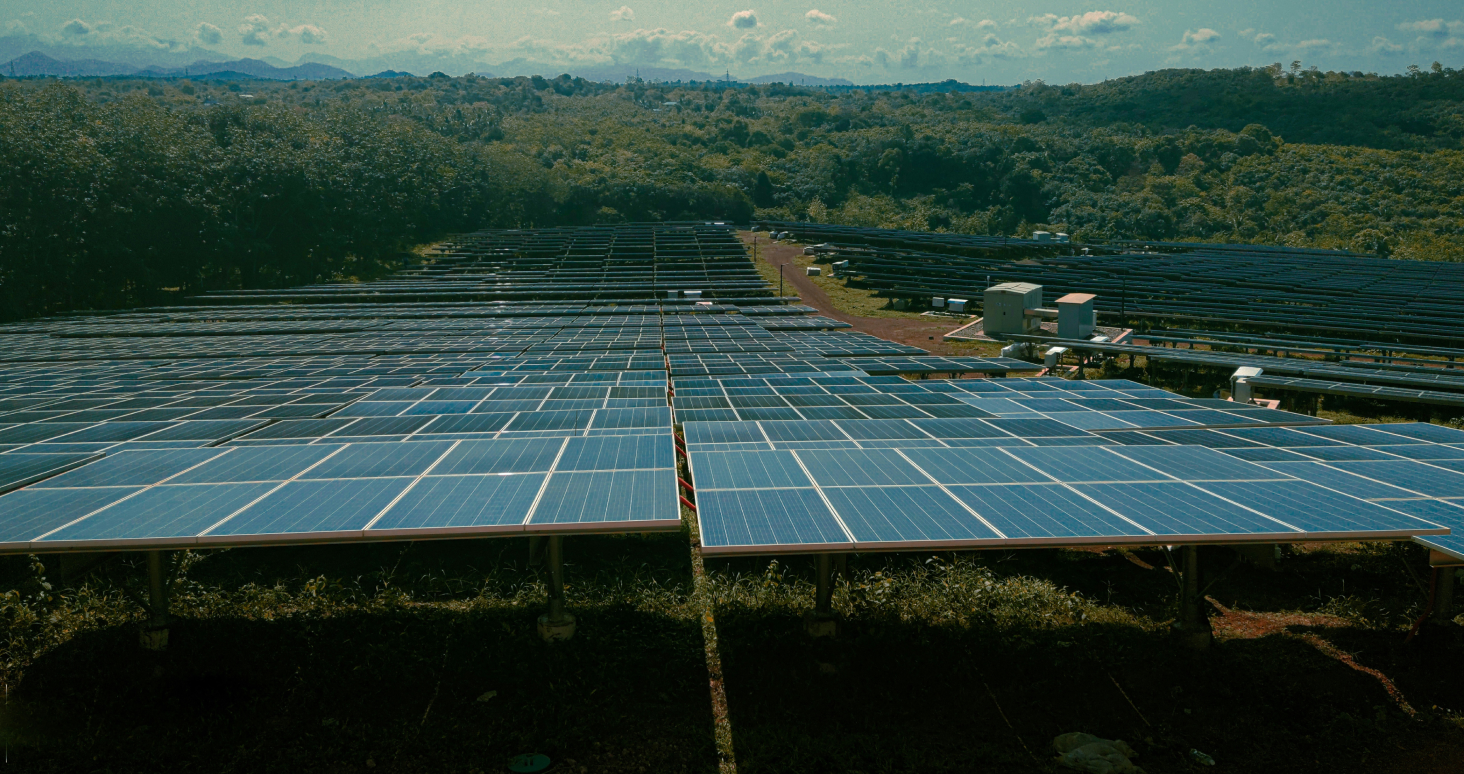
Large solar panel farm with rows of panels surrounded by dense forest under a partly cloudy sky.
The terrain (why now)

Projects are lost two ways: in the room, and in the record

The permit is won early. Relationships form, the record is built, and options are open before the application is filed — which is when engagement usually hasn’t started yet. The best time to invest is before the application, not before the hearing.
In the room — organized opposition.
Coordinated campaigns, not scattered objections. They arrive early, know the procedure, and count the votes — and every jurisdiction gets a locally tuned playbook, increasingly seeded by AI-generated misinformation that spreads before a project even goes public.
In the record — procedural stakes.
Notice requirements, record adequacy, procedural validity — unforgiving by design. An approval can be voided on process alone, with small errors surfacing years later, when the cost is largest. And the two compound: procedural vulnerabilities are exactly what organized opponents look for.
Technology band

Your technology changes the terrain. The system doesn’t.

Several large white and gray industrial battery energy storage units outdoors near a yellow building.
Grid Energy Storage
BESS
The most contested technology in local permitting right now. Opposition runs on fire-safety claims — thermal runaway, emergency response, water demand — that travel county to county ahead of the facts. The codes are real and manageable (NFPA 855, IFC 1207), but many ordinances still have no explicit BESS category, pushing projects into discretionary review — and jurisdictions are answering with dedicated setbacks, decommissioning requirements, and moratoria. Kite tracks the ordinance wave, monitors the narratives, and keeps the fire-code path current per jurisdiction.
Rows of solar panels installed on snow-covered ground amid hilly, forested landscape under clear blue sky.
Photovoltaic Development
Solar
Utility-scale solar is a land-use fight: farmland conversion, drainage, glare, decommissioning. County boards answer with setbacks, screening requirements, and agricultural-district protections that differ township to township — and opposition organizes around rural identity, where "prime farmland" is the claim that moves votes. Kite encodes each jurisdiction’s ordinance posture, tracks precedent on comparable projects, and reads which claims are moving sentiment in your counties.
Aerial view of wind turbines on green farmland under a cloudy sky.
Onshore Wind Infrastructure
Wind
The oldest playbook in energy opposition — setbacks, noise, shadow flicker, property values — refined over two decades and shared across county lines. Restrictive ordinances and moratoria have already closed real territory, and wind hearings draw the most practiced opponents in the field. Kite maps where the ordinance environment is workable, what carried or killed comparable projects, and who is already organized before you commit a site.
Three large industrial pipelines running parallel through a wooded area under a blue sky.
Thermal & Gas Siting
Natural Gas
Gas plants draw a different coalition — statewide climate-motivated groups joining neighbors on air, noise, and traffic — and often a different venue: state siting boards and air permits alongside local land use. Multi-level review raises the procedural stakes on every filing. Kite tracks both tracks — the state docket and the county room — and reads which arguments carry in each.
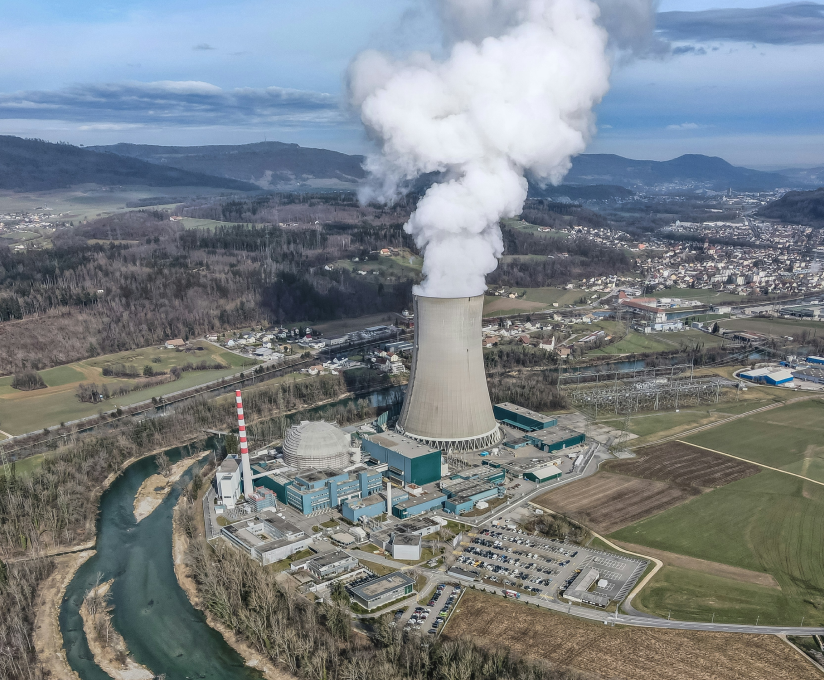
Aerial view of a nuclear power plant with a cooling tower emitting white steam near a river and fields.
Advanced Nuclear Facilities
Nuclear
A different clock and a different venue structure: federal licensing overhead, state politics, and a host community whose questions run for years rather than hearing cycles. Community acceptance is the long pole, and first impressions form early. Kite brings the same system — jurisdiction encoding, stakeholder mapping, precedent from comparable siting debates — tuned to nuclear’s longer arc.
The offer
One platform. One record. The complete capability.
Four lines of work, run as one coordinated effort per project — intelligence through execution, in your name. Every activity lands on one unified record: procedural requirements tracked, compliance risk flagged before you decide, documentation ready before anyone asks. Not a new budget line — the community engagement spend you already carry, consolidated onto one platform and one accountable partner.
Person holding a stack of thick paperback books with neutral gray background.
PERMIT MATRIX
Know every jurisdiction like your most contested one.
A dynamic permit matrix per project — every approval, venue, and critical-path dependency, kept current as the docket moves. Boards and procedures encoded county by county: who decides, how they vote, what notice requires. Precedent analysis: why comparable projects won or lost in front of this board and boards like it, and which mitigations worked.
Paperwork
 RISK MONITOR
Know where approval is at risk — before it’s official.
Docket and agenda watch the moment items post, in every jurisdiction — not just the loud ones. Meeting intelligence with per-speaker sentiment, tracked over time. Organizing detection: new groups, new voices, out-of-area organizers — for and against. Narrative monitoring on credibility-scored media, early enough to answer.
Blurred crowd of people walking and standing, showing motion and movement.
ENGAGEMENT STRATEGY
Strategy built on audience science — not instinct.
Stakeholder intelligence: who decides, who influences, who moves opinion — mapped with election-aware timing. The handful of audiences that actually decide the permit, with bias profiles per audience and technology. Narrative strategy drawn from what has moved sentiment in comparable sitings — including the recurring claims, with tested responses. Campaign stages keyed to the docket: the permitting process is the campaign clock.
Older man in suit speaking at conference table with others, gesturing with hand near microphone.
ENGAGEMENT EXECUTION
The campaign behind the ground game — aimed at the permit.
The hearing treated as the venue it is: supporter turnout, testimony preparation, comment drafting, and inoculation ahead of hearings — "you’ll hear X; here are the facts." Survey-identified supporters and persuadables, by name. The channels that matter in each community, and the content to run there — fact sheets, mailers, web and social — all in your name. Built to support the people on the ground, never to replace them.
Why it works

Built on experience. Supercharged with AI.

Kite is the intelligence layer under your team’s relationships. The rooms, the trust, and the local judgment stay yours — and everything public-facing runs under your brand: communities hear from the developer they’ll live next to, not from a vendor.
Experience at the core
The methods of practitioners who have carried projects through contested approvals — encoded into how the platform reads jurisdictions, audiences, and hearings, with senior review on everything that ships.
The data that decides permits
Jurisdiction-by-jurisdiction regulatory data, meeting records with per-speaker sentiment, precedent history, live monitoring — gathered, cleaned, kept current.
AI for coverage
Every jurisdiction at once; weeks of research in days. Not AI instead of experts — AI so the expertise goes further.